
HOME: "Still under construction" Please stay tuned.
SPYTHEATRE.COM: INTERNATIONAL EDUCATIONAL FORUM
Copyright Disclaimer Under Section 107 of the Copyright Act 1976, allowance is made for "fair use" for purposes such as criticism, comment, news reporting, teaching, scholarship, and research. Fair use is a use permitted by copyright statute that might otherwise be infringing. Non-profit, educational or personal use tips the balance in favor of fair use.
Superpower Dogs IMAX® Film — Now Playing!
Wonder at the life-saving superpowers and extraordinary bravery of some of the world’s most amazing dogs. Discover the powerful bond they share with their human partners
and the astonishing science behind their superpowers. We’ll never look at our best friends the same way again
K9s for Warriors wants dogs it says were left behind in Afghanistan Rory Diamond is also calling for a bill making sure all dogs who have served the country make it back to the United States safely.
Sep 3, 2021
The Outer Limits - 1963 Television
MAGA's Warpath To Today Of Securing Fair And Safe Elections | Election Crime Bureau Summit Aired Bannons War Room August 2023
DOMINION ET AL!
Mike Lindell Speaks at AMFEST in Arizona Lindell-TV 19 December, 2022
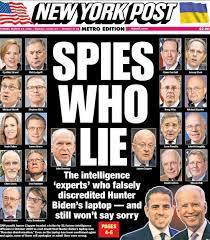
Spies who lie: 51 ‘intelligence’ experts refuse to apologize for discrediting true Hunter Biden story!
Jeff O’Donnell -
The Election Fraud Pattern Has Been Discovered,
This Will Not End Well For The [DS]
X22 Report Published April 30, 2022
President Trump Texas Rally:
"LOVE MY FREEDOM TRUCKERS
in CANADA!!", Trump Declared!
January 29, 2022
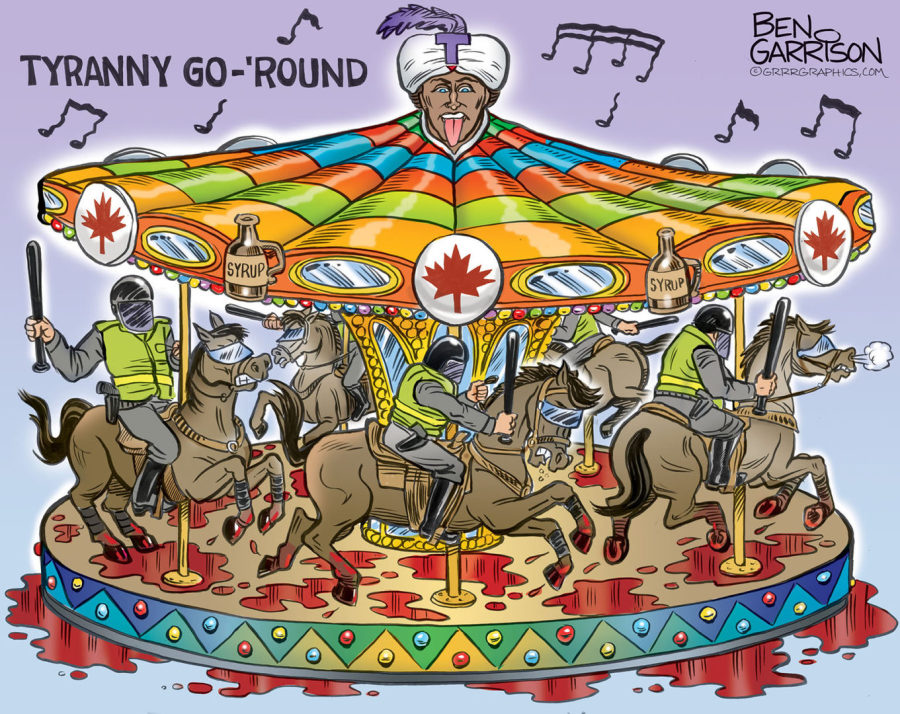
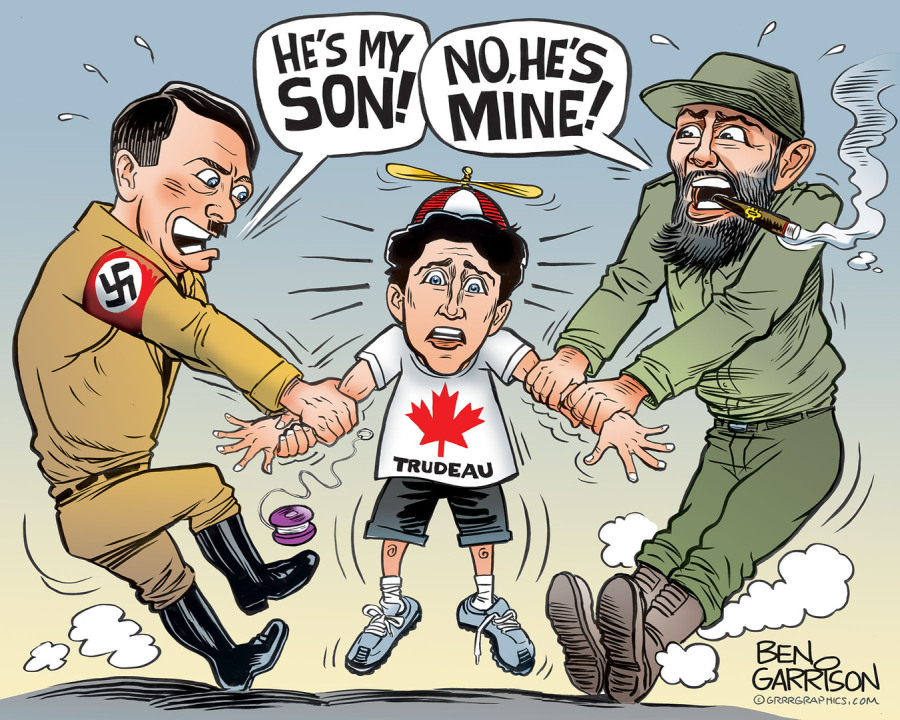
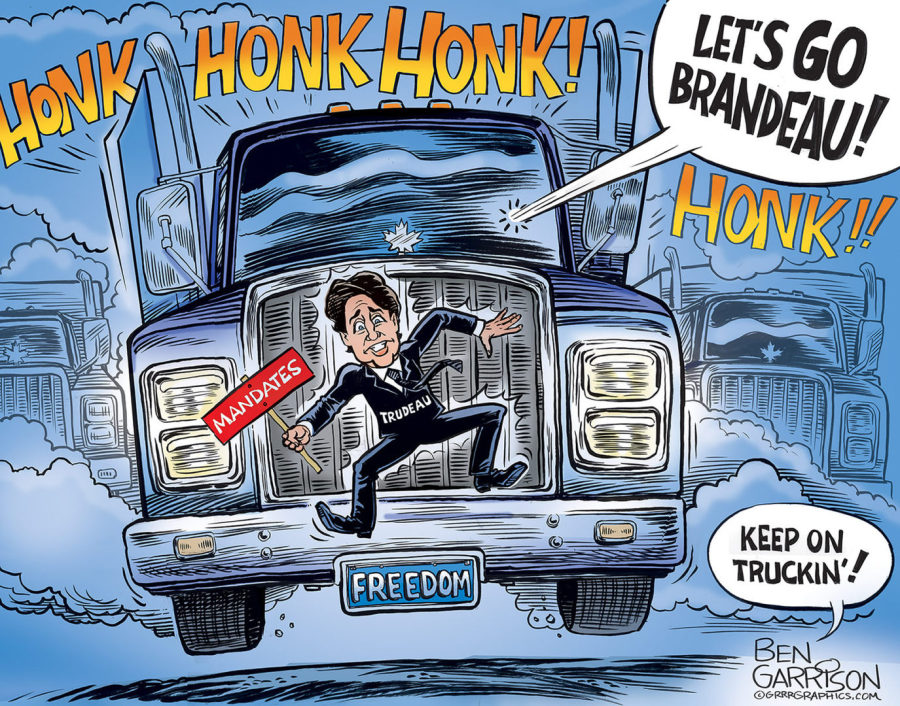
Military Set To Crush Truckers: Communist Crown Threatens Forces Versus Protesters!
Stew Peters Show February 3, 2022
JIM CAVIEZEL'S SPEECH AT THE PATRIOT DOUBLE DOWN IN LAS VEGAS - NOT TO BE MISSED!
Published October 26, 2021
HORRIFYING Details Of
Fauci Puppy Torture
Research Exposed!!!
Oct 26, 2021
THE VEGAS MASSACRE MOTIVE EXPOSED –
FOLLOW THE MONEY!
Scott Binsack
Published on Oct 16, 2017 < Original Aired
Tonight's private MFA Underground show with MFA - March For America Founder/CEO "Scott J Binsack"... "THE VEGAS MASSACRE MOTIVE EXPOSED - FOLLOW THE MONEY" Binsack connects those he clearly believes are behind the "Las Vegas Massacre" on October 1 st 2017. Israel's Mossad, CIA, FBI, DHS and the Saudi's. WIth key players: Sheldon Aderson, James Murren, Michael Chertoff, Heather Murren, Michael Hayden and George Soros. Said individuals are believed to have known of Stephen Paddock's CIA and FBI gun Running activities and hijacked his arms sale as an opportunity to carry out the Oct 1st Las "Vegas Harvest Fest Massacre" and label Paddock as the Lone Wolf Gunman. A show not to miss!! "MGM CEO James Murren sells 18 Million in Shares 20 days before LV Shooting. SILVERSTEIN 2.0" https://ledgergazette.com/2017/09/24/... https://ledgergazette.com/2017/09/26/... http://www.sec.gov/Archives/edgar/dat... "George Soros Investment Fund Bought "PUTS" on 1.35 Million MGM Stocks 60 or so Days BEFORE Attack at MGM Mandalay Bay in Las Vegas" http://halturnerradioshow.com/index.p... "Insider Trading and Financial Anomalies Surrounding the Las Vegas Attack" http://www.zerohedge.com/news/2017-10... Join MFA
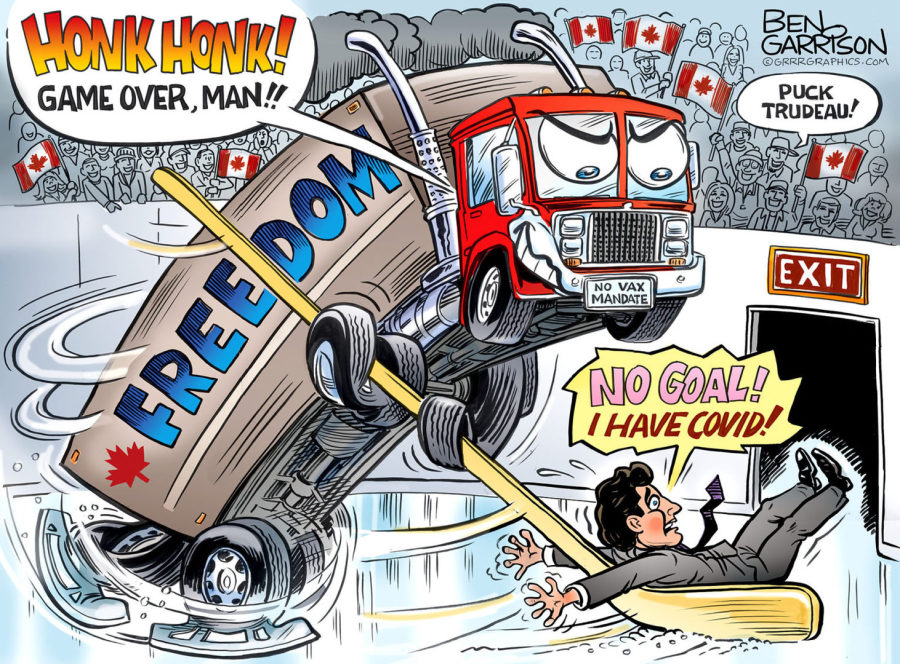
Proof That Justin Trudeau's Knowingly Complicit In Developing Bioweapons With China At The Wuhan Lab August 23, 2021
Rumble — Trudeau was even warned by Canada's Intelligence Agency (CSIS) that the actions his government was taking posed a serious threat because the deadly viruses being sent to China would be used in the development of a gain of function bio-weapon. Yet Trudeau made a decision to do so anyhow. This means that is KNOWINGLY complicit in committing Crimes Against Humanity.
And now this War Criminal has called a snap election because he knows it will be the last time he can steal power by using rigged voting machines.
Help share this video everywhere, Justin Trudeau needs to be behind bars, and not running for reelection!
Eric Clapton Releases Song Protesting
Covid Tyranny:
"This Has Gotta Stop"
Dinesh D'Souza August 29, 2021
Dominion Is The Government, Not A Private Firm!
Bannons War Room Published October 5, 2021
Trump Not Only Won,
He Won By A Landslide!!
Bannons War Room Published July 16, 2021
The Tide Is Turning,
The 2020 Election Will Go Down As
The Crime Of The Century
May 16, 2021 X22 REPORT
Live TV interview 2003 Barrie Ontario Canada International Election Machine Vote Fraud at
"Ground Zero"
A blatant Canadian "coup d'état" in plain sight "Crime of the Century" EXPOSED!
Guests: Brent M P Beleskey Producer / Investigatve Rseearcher & Charles R Smith Cyberwars
Crime Of The Century
Supertramp Madrid 1988
Now they're planning the crime of the century
Well, what will it be?
Read all about their schemes and adventuring
Yes, it's well worth the fee
So roll up and see
How they rape the universe
How they've gone from bad to worse
Who are these men of lust, greed and glory?
Rip off the masks and let's see
But that's not right, oh, no, what's the story?
But there's you and there's me
That can't be
DOMINION ET AL
“DOWN WITH THE MACHINE!”
Pink Floyd - Welcome to the Machine (1975)
SOURCE: NATIONAL STATION: CBC-TV
PROGRAM: UNDERCURRENTS TIME: 22:30
REFERENCE: A7794-2 LENGTH: 11 MIN.
DATE: 12 Nov 00 Aired Canada
Electronic voting
CBC Undercurrents -
The Voting Machine
Featuring Brent M P Beleskey (Producer / Investigative Researcher)
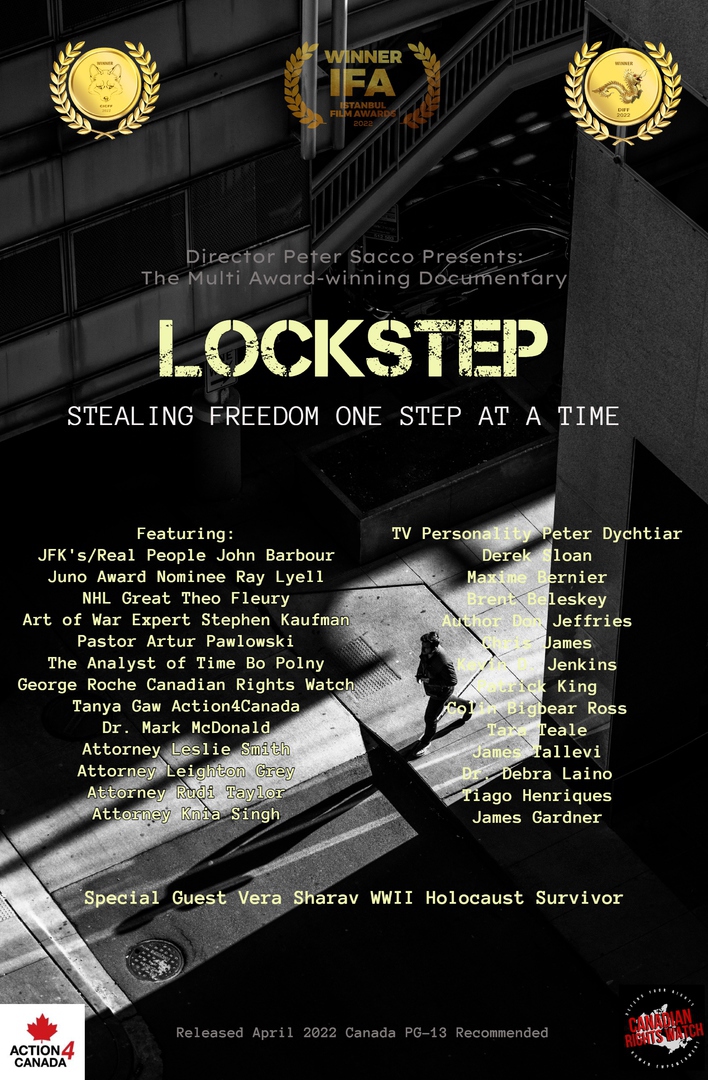
'LOCKSTEP'' SENARIO BY THE ROCKEFELLAS HOW TO BRING DOWN THE WORLD WITH A PANDEMIC
June 6, 2021
The Night of the Long Knives also called Operation Hummingbird was a Hitler purge that took place in Nazi Germany from June 30 to July 2, 1934.
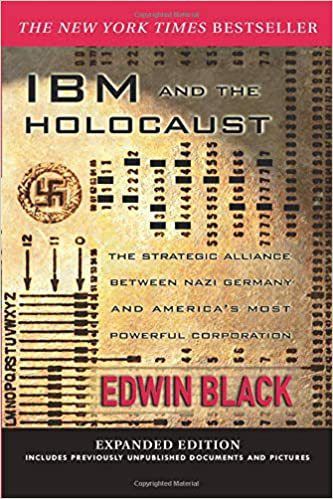
IBM and the Holocaust: The Strategic Alliance Between Nazi Germany and America's Most Powerful Corporation by Author Edwin Black (March 16 2012). Welcome to the "Punchcard"
NAZI IBM Election Machine!
Jim Caviezel exposes Andrenochrome
Child Torture Killing to the world
to a live stream 500,000 people April 17, 2021
Eisenhower's "Military-Industrial Complex"
Speech Origins and Significance
Speech date: January 17, 1961
US National Archives
President Dwight D. Eisenhower's farewell address, known for its warnings about the growing power of the "military-industrial complex," was nearly two years in the making. This Inside the Vaults
video short follows newly discovered papers revealing that Eisenhower was deeply involved in crafting the speech, which was to become one of the most famous in American history. The papers were
discovered by the family of Eisenhower speechwriter Malcolm Moos and donated to the Eisenhower Presidential Library and Museum. Eisenhower Library director Karl Weissenbach and presidential historian
and Foundation for the National Archives board member Michael Beschloss discuss the evolution of the speech.
The Prisoner
is a 17-episode British television series[2] first broadcast in the United Kingdom from 29 September 1967 to 1 February 1968.[3] Starring and co-created by Patrick McGoohan, it combined spy fiction with elements of science fiction, allegory, and psychological drama.
The series follows a British former secret agent who is abducted and held prisoner in a mysterious coastal village resort where his captors try to find out why he abruptly resigned from his job. Although sold as a thriller in the mould of the previous series starring McGoohan, Danger Man (1960–68; retitled as Secret Agent in the US), the show's combination of 1960s countercultural themes and surrealistic setting had a far-reaching effect on science fiction/fantasy programming, and on popular culture in general.
 SIR WINSTON S CHURCHILL
“If you will not fight for right when you can easily win without blood shed;
if you will not fight when your victory is sure and not too costly; you may
come to the moment when you will have to fight with all the odds against you and only a precarious chance of survival. There may even be a worse case. You may have to fight when there is no hope of
victory, because it is better to perish than to live as slaves.” Quote Sir Winston S Churchill.
CIA’s “Operation Gladio” with Paul Williams
Watching the Hawks RT
Published on Jul 20, 2017
Watching the Hawks’ Sean Stone sits down with award-winning journalist and former FBI counter-terrorism consultant Paul L. Williams to learn more about “Operation Gladio” and the CIA’s historic affinity for propping up paramilitary groups across the world. Williams shares his experiences researching the murky history of Washington’s relations with the enigmatic Fethullah Gülen, an exiled Turkish statesman and clergyman, as well as documenting the CIA’s connections to the Taliban, ISIS, and far-right extremists in Europe and Latin America. Finally, we evaluate the modern-day implications of this complicated web of relationships.
Ex-CIA chief: I'm scared of America?
CNN
Published on Jun 18, 2018
Michael Hayden, former director of the CIA and the National Security Agency under presidents from both parties, explains why he is speaking out so passionately against the Trump administration's
practice of separating children from their families at the border.
EX NSA/CIA DIRECTOR Michael Hayden Quote: "probable cause" is "not" in the 4th Amendment!
Uploaded on May 31, 2006
In this disturbing exchange we see former head of the NSA, General Michael Hayden, argue with reporter Jonathan Landay that the words "probable cause" are not found in the Fourth Amendment. I don't want to spoil the surprise for you, but "probable cause" is the measure for issuing a warrant in the Fourth Amendment. Of course, I would find this exceptionally humorous had not Bush recently appointed this man to be the new head of the CIA.
Jorge Mario Bergoglio, aka Pope Francis, born in Buenos Aires, Argentina, is the Jesuit Black Pope, the Vatican White Pope, the Knights Templar Grand Master, King of the Vatican Islamic State New World Islamic Order and a Former “Bar Bouncer and Janitor, at a local Buenos Aires Nightclub”!
By Alan Lamont
Published on Jan 6, 2017
"I will, when opportunity present, make and wage relentless war, secretly or openly, against all Protestants and Liberals to extirpate and exterminate them from the face of the whole earth" Jesuit Extreme Oath of Induction The Society of Jesus, or the Jesuits, with their Sun Worship logo, operate in the highest echelons of the Jesuit Illuminati, or rather their leaders do. It is the Jesuit leadership that controls the Knights of Malta, Knights Templar, Knights of Columbus in the USA, and works closely with another secret order of the Roman Church, Opus Dei, which was created by the Jesuits. The Society of Jesus was the creation of Ignatius Loyola, who was born at the Castle of Loyola in the Basque province of Guipuzcoa in Spain on Christmas Eve 1491. He and a group of associates founded the Jesuit Order in 1537 and it was given papal approval in 1540. From there it expanded its influence until it reached its present status as one of the most powerful secret societies on earth. Loyola became the first Jesuit Superior General, also know as the 'Father General', and he sent his agents far and wide to set up schools, colleges, and seminaries. The Jesuits now have some 25,000 members in 112 countries and the worldwide structure consists of region known as assistances, which are themselves made up of provinces. The Superior General has absolute authority and is again chosen for life, or until he decides to resign. The Jesuit Constitutions were written by Loyola and created a dictatorship that demanded absolute obedience to the Pope and 'superiors' with the Order. He said that Jesuits should be 'well-disciplined like a corpse'. Loyola produced a book call Spiritual Exercises(modern day psychology) in 1548 and it is still at the heart of Jesuit 'education'. It tells Jesuits to suspend their own judgement and the thirteenth rule says it is virtue to believe only what the Catholic Church tells them even if it's not true. The example is given of seeing something that is obviously white, but believing it is really black if the Catholic hierarchy says it is.. Subscribe for all the videos with the best info about the Jesuits, Knight's of Malta & papal bloodlines.
Lucifers New World Order, Exposing the Jesuits by Walter Veith
Lucifer Worshipers Exposed!!!
Plotting SOON World takeover!!!
Illuminati~Jesuits~Freemasons
President Kennedy delivered this speech on April 20, 1961 to the American Society of Newspaper Editors following the failed Bay of Pigs invasion by US-backed Cuban exiles
JFK’s Speech On Secret Societies
John F. Kennedy (CATHOLIC) gave this speech to the American Newspaper Publishers Association on 27th April 1961, two and a half years before his assassination (November 22, 1963). He details his thoughts on secret societies and what seems to be a call to action. Some believe that he is referring to secret societies being established within the US government and to others it is a cryptic message about an overseas communist threat. I will leave it up to you to come to your own conclusion as to what this speech is about, but it is apparent that he is well aware that secret societies exist and are attempting to infiltrate society. In his own words he finds the situation “repugnant” Below are some quotes from the event, followed by a video that broadcasts the essence of his speech. Lastly, the entire speech has been transcribed for people who wish to read everything he had to say on that day.
* “The very word “secrecy” is repugnant in a free and open society; and we are as a people inherently and historically opposed to secret societies, to secret oaths and to secret proceedings”
> MORE< 33
Putin says: ‘Pope Francis Is Not A Man Of God’ | Must-See !!
 FIRST JESUIT POPE: GRAND MASTER JESUIT SPY?
In a video documentary interview, CIA agent E. Howard Hunt, appointed by CIA Chief Allan Dulles summer 1953, as CIA Propaganda Chief, declares " ... the Jesuits form the greatest intelligence service, in the world, they always have". (Please see video below)
Video transcript: “And they took me into a small room, in the agency, an swore me into a special(Jesuit?) oath, that ought never shared with anyone.” "We have gotten the ok from Cardinal Spellman, to go ahead with this and I won’t presume to trace the lines of authority within the Catholic Church, how they get the information that they do. And we have always said in an admiring way, that the Jesuits form the greatest intelligence service in the world, they always have" Audio Quote CIA E Howard Hunt.
(Please note: CIA Chief Allan Dulles was also uncle to Avery Dulles, who was a Jesuit priest, theologian, a cardinal, of the Jesuit Catholic Church)
PLEASE SEE VIDEO INTERVIEW BELOW: CIA HOWARD HUNT DISCLOSURES.
(1967) The Prisoner Episode 14 "Living in Harmony" Banned in USA by CBS or CIA.
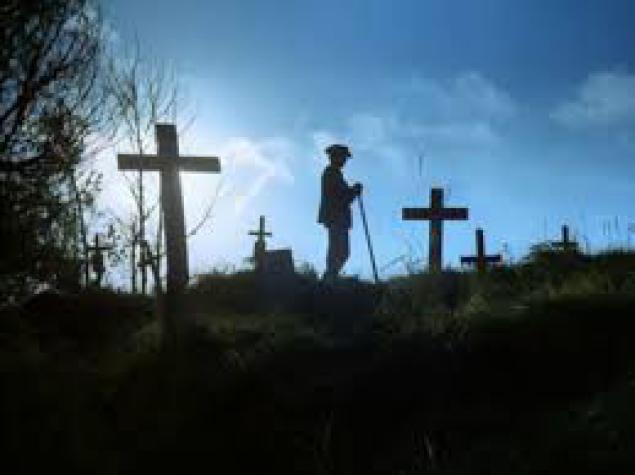
| Original air date 29 December 1967 | https://en.wikipedia.org/wiki/Living_in_Harmony |
|---|
During the first American broadcast of the series, "Living in Harmony" was not included.[2][12] CBS stated that this was because of the episode's reference to hallucinogenic drug use, yet several authors have disputed this argument, since mind-altering drugs were also present in various other episodes, yet these were not censored.[2][4][13] Instead, they argue that the network feared Number Six' refusal to carry arms could be interpreted as an anti-war statement.[2][14][15] As the plot was recognisably American, being a Western, they argue, the network banned the episode in fear that it carried with it a message against US presence in Southeast Asia, (the Vietnam War being at its height).[2][13][15] Official spokesmen from CBS as well as ITC have since confirmed that the episode's implied war commentary was why it wasn't shown during its original US run.[4]
IN MEMORY OF "THE PRISONER"
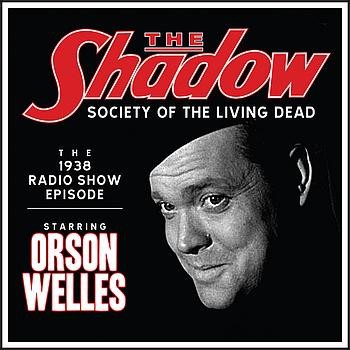
Orson Welles as The Shadow in this adventure called "Voice of the Trumpet" which aired on the Mutual Radio Network on July 3, 1938
Retired HEAD OF FBI Tells ALL
"Illuminati, Satanism, Pedophile Rings"
4,804,017 views Dec 24, 2013
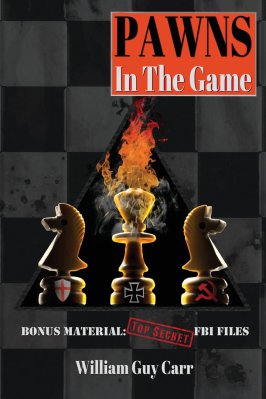 Pawns in the Game, FBI Edition Paperback – October 31, 2013
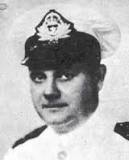
PAWNS IN THE GAME by William Guy Carr
William James Guy Carr (R.D.[1] Commander R.C.N. (R)) (June 2, 1895 - October 2, 1959) was an English-born Canadian naval officer and an author. Though his accounts of wartime naval experiences found a general audience, he is best remembered today as a conspiracy theorist, "the most influential source in creating the American Illuminati demonology", according to the American folklorist Bill Ellis. Carr was also the author of famous books on the English submarine war as well as a popular lecturer. In the 1950s, he was the leader of the anti-Communist National Federation of Christian Laymen of Toronto. He was also one of the presidents of the Naval Club of Toronto.
The Nazi Party is Nationalism of the right and the Socialism of the left.
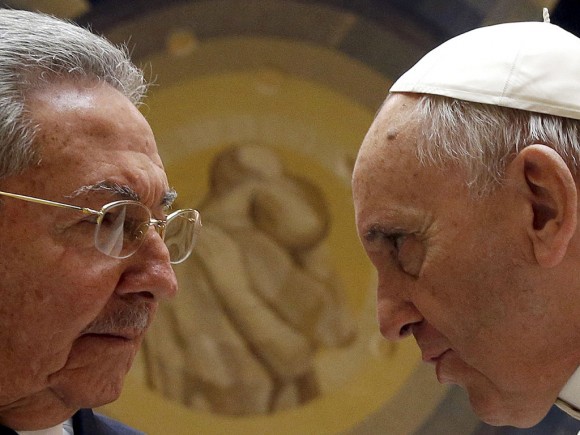 Cuban dictator Raul Castro & Jesuit General Francis
The Catholic Church Has Gone Socialist
Cliff Kincaid — May 12, 2015 Since we published our article, “Catholic Church Captured by ‘Progressive Forces,’” it is starting to dawn on many in and out of the media that Pope Francis has come down on the side of the “progressive,” and even Marxist, forces in the world today. Writing at the Blaze.com and commenting on the pope’s friendly meeting with Cuban dictator Raul Castro, Catholic writer Stephen Herreid of the Intercollegiate Review called the pope’s dealings with Castro and other Marxists “a new Catholic scandal” as significant and terrifying as the presence of pedophiles in the church. He wondershow conservative Catholics can continue to pay respect to a pope “intent on making friends with the enemies of religious liberty.” Francis had a one-hour meeting with Raul Castro on May 10. The day before, Castro had greeted Russian President Vladimir Putin in Moscow. Francis will visit Cuba in September prior to his tour of the United States. The Associated Press reported that Castro commented, after meeting with the pope, that the pontiff “is a Jesuit, and I, in some way, am too.” Castro added, “I always studied at Jesuit schools.” He also promised, “When the pope goes to Cuba in September, I promise to go to all his Masses, and with satisfaction.” The evidence is getting too big for the major media to ignore: the pope has made common cause with the forces of international Marxism, which are associated with atheism, the suppression of traditional Christianity and the persecution and murder of Christians. Conservative Catholics and many others are terrified of what is to come. Some fear that the Roman Catholic Church has joined the campaign for a global socialist state that could turn into an anti-Christian tyranny. MORE
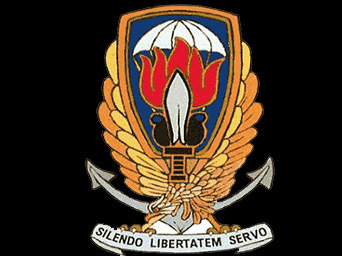 OPERATION GLADIO CREST
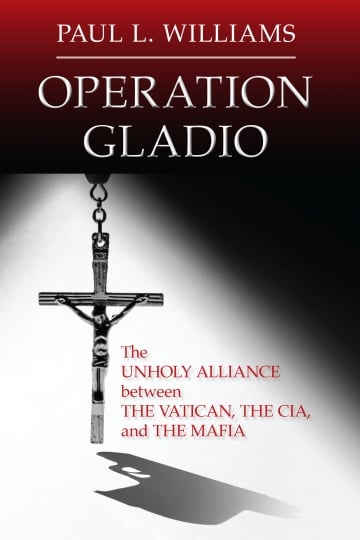
Operation Gladio: The Untold Story of the Unholy Alliance Between the Vatican, the CIA, and the Mafia
Review of Paul L. Williams Book by Arif Jamal
After the Second World War ended, The Vatican, the CIA, the ex-Nazis, and the Sicilian/American Mafia forged an alliance to fight the Cold War against the former Soviet Union and the rising pro-Soviet governments in Europe and the rest of the world.
In a new book, Paul L. Williams offers new and disturbing evidence to expose what he calls the unholy alliance. Operation Gladio is likely to be a controversial book and may even be contested by several quarters. However, it would be difficult to reject the evidence author Paul L. Williams has provided.
The story started as early as 1942 with the formation of the Vatican Bank. The same year ONI (Office of Naval Intelligence) recruited Lucky Luciano, a pre-eminent drug lord. The Swiss director of the US Office of Strategic Services (OSS) Allen Dulles came to the conclusion, “We’re fighting the wrong enemy.” Schutzstaffel (SS) sent Dulles a message through the Vatican that the Nazi government wanted to establish a separate peace with the United States; they wanted to fight the Soviets. Dulles met Prince Max von Hohenlohe in Bern. Hohenlohe found Dulles in agreement with him. Later, Dulles also met other Nazi officials to forge the new alliance. Chief of Special Intelligence for the OSS in China Col. Paul E Helliwell thought of another unholy alliance between the US intelligence community and organized crime groups. Consequently, the US intelligence agencies got drug lord Lucky Luciano released from jail, allowed him to build his narcotic empire, and simply watched the flow of drugs into the largely black ghettos of New York and Washington. The unholy alliance of the American spies and criminals was replicated everywhere, from Laos and Burma to Marseilles and Panama.
After Richard Nixon became president in 1969, the strategy of tension gained more impetus. National Adviser Henry Kissinger issued orders to Licio Gelli to carry out terror attacks and coup attempts. The United States and the Vatican channeled millions of dollars for these operations. Most of the money was raised in questionable ways. The first major attack in Europe took place on December 12, 1969 when a bomb went off in the lobby of Banca Nazionale Dell’ Agricoltura in Milan, Italy. Seventeen people died in the explosion. Within an hour, three bombs exploded in Rome. According to official figures, 14,591 acts of violence with a political motivation took place between January 1, 1969 and December 31, 1987. In these terror attacks, 491 people died and 1,181 were injured. A large number of terror attacks took place in other European countries from 1965 to 1981. After a series of assassination attempts to kill French President De Gaulle failed, he denounced “the secret warfare of the Pentagon” and expelled the European headquarters of NATO.
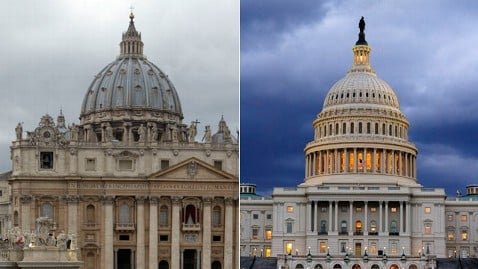
In the Latin America, the CIA and the Vatican launched Operation Condor as the Latin American version of the Operation Gladio. The label was applied very liberally by the US intelligence agencies that “any government risked being so labeled if it advocated nationalization of private industry (particularly foreign-owned corporations), radical land reform, autarkic trade policies, acceptance of soviet aid, or an anti-American foreign policy.” The CIA and the Vatican started Operation Condor in the early 1970s when Opus Dei elicited support from Chilean bishops for the overthrow of the government of President Allende. The Catholic group was closely working with the CIA-funded organizations such as the Fatherland and Liberty, which was later turned into the dreaded Chilean secret police. “In 1971, the CIA began shelling out millions to the Chilean Institute for General Studies (IGS), an Opus Dei think tank, for the planning of the revolution.” Many members of the IGS joined the government after the coup. Hernan Cubillos became the foreign minister. He was the founder of Que Pasa, an OPUS Dei magazine, and publisher of El Mercurio, the largest newspaper in Santiago which was subsidized by the CIA.
 Williams
shows that the Vatican was fully involved in Operation Condor. The Pope was fully behind the purging of the left wing clerics; leaders of the military junta were devout Catholics. The Vatican did not
abandon General Pinochet even when he was arrested in Britain for the murder of thousands of Chileans. Vatican Secretary of State Cardinal Angelo Sodano wrote to the British government on behalf of
the Pope to demand his release. Under Pinochet, hundreds of thousands Chileans had disappeared while more than four thousands had died. More than fifty thousand Chileans were tortured in the name of
Catholic god. CIA’s dirty war was perpetuated in many Latin American countries with the help and blessing of the Vatican.
Williams
shows that the Vatican was fully involved in Operation Condor. The Pope was fully behind the purging of the left wing clerics; leaders of the military junta were devout Catholics. The Vatican did not
abandon General Pinochet even when he was arrested in Britain for the murder of thousands of Chileans. Vatican Secretary of State Cardinal Angelo Sodano wrote to the British government on behalf of
the Pope to demand his release. Under Pinochet, hundreds of thousands Chileans had disappeared while more than four thousands had died. More than fifty thousand Chileans were tortured in the name of
Catholic god. CIA’s dirty war was perpetuated in many Latin American countries with the help and blessing of the Vatican.
Williams quotes FBI whistle blower Sibel Edmonds who said,
“Between 1996 and 2002, we, the United States, planned, financed, and helped execute every major terrorist incident by Chechen rebels (and the Mujahideen) against Russia. Between 1996 and 20002, we, the United States, planned, financed, and helped execute every single uprising and terror related scheme in Xinjiang (aka East Turkistan and Uyhurstan). Between 1996 and 2002, we, the United States, planned and carried out at least two assassination schemes against pro-Russian officials in Azerbaijan.”
Operation Gladio is a highly well-researched book with some 1,100 endnotes and footnotes. This work is highly rich in details. It is an estimable scholarly and intellectual accomplishment which is unrivaled. His scholarly work fills a major lacuna in the study of the US foreign policy which was left by scholars such as Alfred McCoy, Peter Dale Scot, Martin A. Lee, Dale Yallop, and Sibel Edmonds.
Reviewed by Arif Jamal
Paul L. Williams is a journalist and author of The Vatican Exposed, Crescent Moon Rising, The Day of Islam, Osama’s revenge, and the Al-Qaeda Connection. He has written articles for The Wall Street Journal, USA Today, The Counter-Terrorist, NewsMax, and National Review. He is the winner of three first-place Keystone Press Awards for journalism. He has also served as a consultant for the FBI and as an adjunct professor of Humanities at the University of Scranton and Wilkes University.
Copyright Arif Jamal, The Washington Book Review, 2015
COMING SOON!
ISLAM et al:
“Crimes Against Humanity”
ISLAM - "An Organized Crime Syndicate"
Prima Facie Evidence Written in Koran!
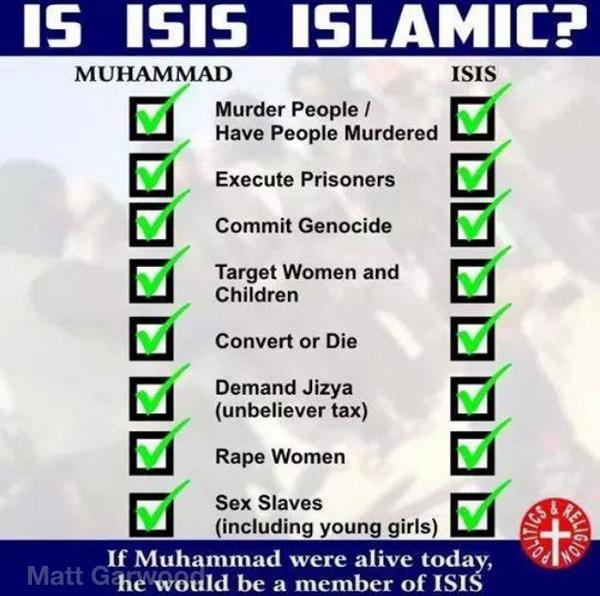
ISLAM Guilty As Charged! "For Crimes Against Humanity"
ISIS
IS ISLAM
IS CIA!
“Islam is fascism dressed in the veil of religion.” Information Age will be The Death of Islam By Eric Allen Bell We do not vandalize. We do not engage in hate speech. We have respect for the law. We do not harm our fellow citizens. We are slow to anger and when we finally get angry, we express that anger in a civilized way. UNDER THAT BANNER, I WILL STATE THE FOLLOWING: Follower of Islam, I do not tolerate you. Your feigned or willful ignorance, about Islam, is no longer an excuse. I hold you personally accountable. I am offended by you. I cannot and will not tolerate a person, who follows an ideology, which teaches the inferiority of women, the killing and hatred of Jews, the execution of homosexuals, the silencing of free speech, forced amputations, the stoning of rape victims, genital mutilation, and the violent overthrow of all non-Islamic governments and civilizations. Islam is Nazism with a god. And I cannot and will not “coexist” with Nazis. I will not patronize your places of business. I will not hire you. I will not buy your products. I will not support politicians who support you. I will not be your friend. And if I am your neighbor, I will always be suspicious of you and cautious. I want you to feel so uncomfortable in my free country, in my civilized country, that you renounce your allegiance to this savage and fascist ideology or leave. ISLAM IS THE ENEMY of free speech, of human rights and of Liberty. If you follow Islam, you are my enemy. I encourage you now to leave Islam and take your place among the civilized people of this world. But if you insist on remaining loyal to the brutal savagery of Islam, your enemies will grow faster than can be contained, by an Islamic lobbyist group or the media or any government agency. This is a zero sum game and the Civilized World will win. ISLAM HAS BEEN AT WAR FOR 1,400 YEARS with freedom and all that is good. But my head is no longer hidden in the sand. I am at war with you. All people who value human rights, freedom and Liberty should be at war with you. And they will be soon enough, because the enemy of Islam is information and we are spreading information faster than you can keep up with. There is no way to put this genie back in the bottle now. The information age will be the death of Islam. Your 1,400 year reign of terror is coming to an end. And you, follower of Islam, are on the wrong side of history. It is time for all civilized people to find the moral clarity and the courage to GET ANGRY and to BECOME INTOLERANT. You have the ability to do this in a civilized way. We must not become like the savages whom we oppose – otherwise they win. Islam is Nazism with a god. Islam must be stopped. When you support the followers of Islam, you support an ideology that promotes genocide against the unbeliever – as clearly outlined in the Quran. Tolerance is overrated. If you follow the Quran, you are the enemy of freedom and you are my enemy. THE TIME HAS COME TO BOYCOTT THE FOLLOWERS OF ISLAM. FOLLOWER OF ISLAM, I PERSONALLY HOLD YOU ACCOUNTABLE FOR SUPPORTING THIS FASCIST IDEOLOGY.
Why We Are Afraid, A 1400 Year Secret, by Dr Bill Warner Published on Aug 31, 2012
The history of Islam in Europe and how it effects us to this day. This is a history based on numbers and facts that you may not see anywhere else and explains why we may be afraid to see Islam for what it is based on its own doctrine and practice http://www.politicalislam.com
 US General Vallely with FSA / ISIS Officers at their Military Headquarter in 2014
IS ISIS A CREATION OF THE CIA?
By
Paul L. Williams, Ph.D.,
Author of Operation Gladio: The Unholy Alliance between the Vatican, the CIA, and the Mafia
February 20 2015
Is ISIS (the Islamic State of Iraq and Syria) a creation of the CIA and the U.S. State Department?
The question may seem absurd but mounting allegations from reputable sources and evidence from classified documents point to an affirmative answer.
Knowing that this article might ruffle the feathers of many Obama supporters (and misguided neo-cons), references are embedded in the text to make the source material readily available.
THE GENERAL VALLELY VIDEO
Gordon Duff, senior editor of Veterans Today, maintains that the ISIS terrorists were trained in Jordan and Syria by U.S. General (retired) Paul E. Vallely and other senior military consultants. To back up this claim, Duff has posted a video of General Vallely with leading ISIS commanders. (To watch this video, access http://beforeitsnews.com/eu/2014/10/senior-commander-of-isis-is-retired-us-general-paul-vallely-2570158.html)
General Vallely is a Fox News military analyst, who is a leading critic of President Obama’s refusal to take decisive action against ISIS. "I'd bring the B-52's in just like we did in Afghanistan early on. I'll tell you what, that'll put the fear in all of them," Vallely said. "Let's get serious. We're at war, let's have a strategy, let's have victory.” http://www.newsmax.com/Newsmax-Tv/Paul-Vallely-ISIS-war-serious/2015/02/11/id/624250/
Duff further says that the CIA continues to fork out $200 million a week to the terror group.
THE US BASE IN SARAWI
Support for this startling assertion was provided by Aaron Klein of World Net Daily. Klein has unearthed evidence that the ISIS forces were and are trained at a secret U.S. military base in the Jordanian town of Safawi. http://www.wnd.com/2014/06/officials-u-s-trained-isis-at-secret-base-in-jordan/
This report has been corroborated by Der Spiegel, Germany’s leading news magazine.
THE SUNNI AND SHI’A TESTIMONY
In addition, Nabil Na’eem, the founder of the Islamic Democratic Party, recently appeared on the pan-Arab TV station al-Maydeen to say that all current al-Qaeda affiliates, including ISIS, work for the CIA. http://www.hangthebankers.com/isis-leader-a-confirmed-cia-puppet/
Sure, Mr. Na’eem could be imparting false information, but his claim is upheld by Bahaa al-Araji, Iraq’s deputy prime minister, and other leading Iraqi officials. Yes, Mr. Araji could be parroting a Muslim mendacity. But Mr. Araqi is a devout Shia and Mr. Na’eem is a militant Sunni. The two men share little in common and have completely different political and religious agendas. http://www.nytimes.com/2014/09/21/world/middleeast/suspicions-run-deep-in-iraq-that-cia-and-the-islamic-state-are-united.html?_r=0
THE ISRAELI CONNECTION
Complicating the issue of the CIA’s support of ISIS are reliable reports that wounded ISIS soldiers are transported from Syria and Iraq to Israeli hospitals for medical treatment. Following their treatment, they are returned to their fellow jihadis. http://foreignpolicy.com/2014/06/11/exclusive-israel-is-tending-to-wounded-syrian-rebels/
THE COVERT PURPOSE OF ISIS
According to news analyst and talk-show host Alex Jones, the purpose of ISIS is to create a state of “endless war” that will serve to exhaust Saudi and Iranian resources; to bring about the dissolution of Syria and Iraq; and to collapse the Arab countries into small states that can be manipulated by U.S. and Israeli interests. http://www.infowars.com/former-al-qaeda-commander-isis-works-for-the-cia/
This thesis is supported by classified CIA documents which affirm that arms for ISIS came, complements of the U.S., from the arsenal of deposed Libyan dictator Muammar Qadhafi. The shipment of these weapons to ISIS in Syria was supervised in 2012 by David Petraeus, the CIA director who would soon resign when it was alleged that he was having an affair with his biographer.
The arms for ISIS program was a result of a secret agreement between President Obama and Turkey’s President Recep Erdogan. (see above reference).
Want to know more about this sorry state of affairs?
Stay tuned.
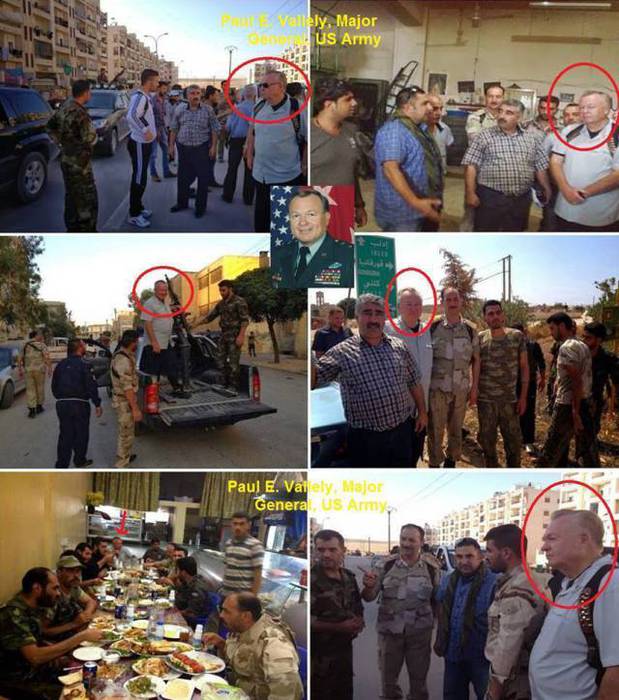 General Vallely with IslamicTerrorist Friends:So you’re telling me the United States government is not the godfather of all terrorists, IE: FSA.: Now we have Paul E. Vallely, Major General of U.S. Army in numerous pictures with the terrorists in Syria.
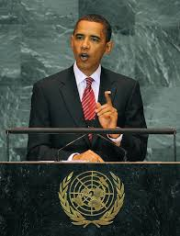
Barack Hussein Obama Declares at UN September 25 2012: 'The future must not belong to those who slander the prophet of Islam': Does not President Putin have a future? Or is this just an "idle threat"?
WHAT SAY PUTIN!
RUSSIA BANS THE
KORAN ET AL:
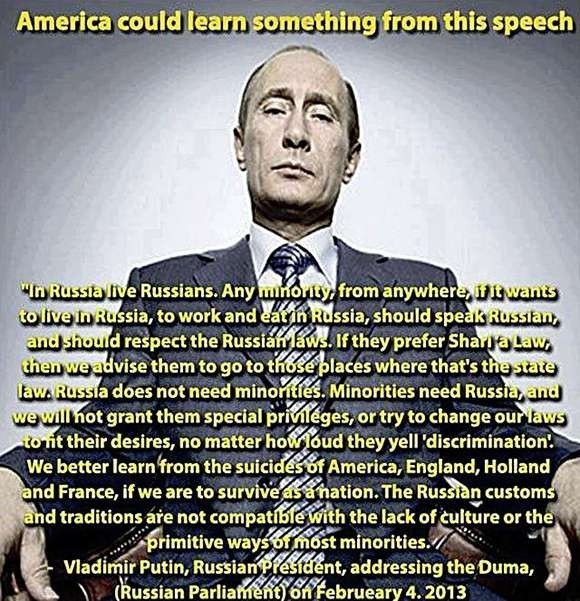
FORMER KGB: CHRISTIAN RUSSIAN PRESIDENT VLADIMIR PUTIN "PROCLAIMS" IN RUSSIAN PARLIAMENT, ON ISLAMIC SHARIA LAW.
 PAUL L WILLIAMS AUTHOR
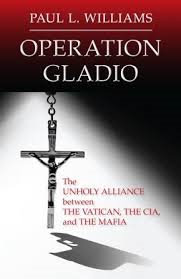
Operation Gladio: The Unholy Alliance Between The Vatican, The CIA, and The Mafia
Author: DR. PAUL L WILLIAMS
This disturbing exposé describes a secret alliance forged at the close of World War II by the CIA, the Sicilian and US mafias, and the Vatican to thwart the possibility of a Communist invasion of Europe. Journalist Paul L. Williams presents evidence suggesting the existence of “stay-behind” units in many European countries consisting of five thousand to fifteen thousand military operatives. According to the author’s research, the initial funding for these guerilla armies came from the sale of large stocks of SS morphine that had been smuggled out of Germany and Italy and of bogus British bank notes that had been produced in concentration camps by skilled counterfeiters. As the Cold War intensified, the units were used not only to ward off possible invaders, but also to thwart the rise of left-wing movements in South America and NATO-based countries by terror attacks.
Williams argues that Operation Gladio soon gave rise to the toppling of governments, wholesale genocide, the formation of death squads, financial scandals on a grand scale, the creation of the
mujahideen, an international narcotics network, and, most recently, the ascendancy of Jorge Mario Bergoglio, a Jesuit cleric with strong ties to Operation Condor (an outgrowth of Gladio in Argentina)
as Pope Francis I.
Sure to be controversial, Operation Gladio connects the dots in ways the mainstream media often overlooks.

CrossTalk: Russophobia
Apr 16, 2014
What does Russophobia mean? Where does it come from? What are the West's russophobic stereotypes? And why is Russophobia dangerous. CrossTalking with George Szamuely, Alexander Nekrassov and Dmitry Babich.
IS "RUSSIAN" NOW THE NEW CODE WORD FOR "CHRISTIAN"?
 Pat Buchanan claims GOD is on Russia's side
Whose Side Is God on Now?
April 4, 2014
By Patrick J. Buchanan
In his Kremlin defense of Russia’s annexation of Crimea, Vladimir Putin, even before he began listing the battles where Russian blood had been shed on Crimean soil, spoke of an older deeper bond.
Crimea, said Putin, “is the location of ancient Khersones, where Prince Vladimir was baptized. His spiritual feat of adopting Orthodoxy predetermined the overall basis of the culture, civilization and human values that unite the peoples of Russia, Ukraine and Belarus.”
Russia is a Christian country, Putin was saying. This speech recalls last December’s address where the former KGB chief spoke of Russia as standing against a decadent West: “Many Euro-Atlantic countries have moved away from their roots, including Christian values. Policies are being pursued that place on the same level a multi-child family and a same-sex partnership, a faith in God and a belief in Satan.
This is the path to degradation.” Heard any Western leader, say, Barack Obama, talk like that lately? Indicting the “Bolsheviks” who gave away Crimea to Ukraine, Putin declared, “May God judge them.” What is going on here? With Marxism-Leninism a dead faith, Putin is saying the new ideological struggle is between a debauched West led by the United States and a traditionalist world Russia would be proud to lead. In the new war of beliefs, Putin is saying, it is Russia that is on God’s side.
The West is Gomorrah. Western leaders who compare Putin’s annexation of Crimea to Hitler’s Anschluss with Austria, who dismiss him as a “KGB thug,” who call him “the alleged thief, liar and murderer who rules Russia,” as the Wall Street Journal’s Holman Jenkins did, believe Putin’s claim to stand on higher moral ground is beyond blasphemous. But Vladimir Putin knows exactly what he is doing, and his new claim has a venerable lineage.
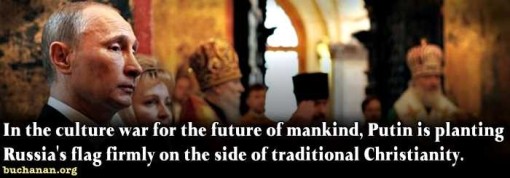
The ex-Communist Whittaker Chambers who exposed Alger Hiss as a Soviet spy, was, at the time of his death in 1964, writing a book on “The Third Rome.” The first Rome was the Holy City and seat of Christianity that fell to Odoacer and his barbarians in 476 A.D. The second Rome was Constantinople, Byzantium, (today’s Istanbul), which fell to the Turks in 1453. The successor city to Byzantium, the Third Rome, the last Rome to the old believers, was — Moscow. Putin is entering a claim that Moscow is the Godly City of today and command post of the counter-reformation against the new paganism. Putin is plugging into some of the modern world’s most powerful currents. Not only in his defiance of what much of the world sees as America’s arrogant drive for global hegemony. Not only in his tribal defense of lost Russians left behind when the USSR disintegrated. He is also tapping into the worldwide revulsion of and resistance to the sewage of a hedonistic secular and social revolution coming out of the West. In the culture war for the future of mankind, Putin is planting Russia’s flag firmly on the side of traditional Christianity. His recent speeches carry echoes of John Paul II whose Evangelium Vitae in 1995 excoriated the West for its embrace of a “culture of death.” What did Pope John Paul mean by moral crimes?
The West’s capitulation to a sexual revolution of easy divorce, rampant promiscuity, pornography, homosexuality, feminism, abortion, same-sex marriage, euthanasia, assisted suicide — the displacement of Christian values by Hollywood values. Washington Post columnist Anne Applebaum writes that she was stunned when in Tbilisi to hear a Georgian lawyer declare of the former pro-Western regime of Mikhail Saakashvili, “They were LGBT.” “It was an eye-opening moment,” wrote Applebaum. Fear and loathing of the same-sex-marriage pandemic has gone global. In Paris, a million-man Moral Majority marched in angry protest. Author Masha Gessen, who has written a book on Putin, says of his last two years, “Russia is remaking itself as the leader of the anti-Western world.” But the war to be waged with the West is not with rockets. It is a cultural, social, moral war where Russia’s role, in Putin’s words, is to “prevent movement backward and downward, into chaotic darkness and a return to a primitive state.” Would that be the “chaotic darkness” and “primitive state” of mankind, before the Light came into the world? This writer was startled to read in the Jan-Feb. newsletter from the social conservative World Council of Families in Rockford, Ill., that, of the “ten best trends” in the world in 2013, number one was “Russia Emerges as Pro-Family Leader.” In 2013, the Kremlin imposed a ban on homosexual propaganda, a ban on abortion advertising, a ban on abortions after 12 weeks and a ban on sacrilegious insults to religious believers. “While the other super-powers march to a pagan world-view,” writes WCF’s Allan Carlson, “Russia is defending Judeo-Christian values. During the Soviet era, Western communists flocked to Moscow.This year, World Congress of Families VII will be held in Moscow, Sept. 10-12.”
Will Vladimir Putin give the keynote?
In the new ideological Cold War, whose side is God on now? http://buchanan.org/blog/whose-side-god-now-6337
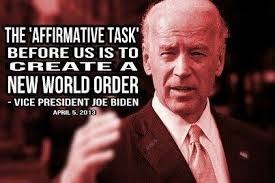 "NEW WORLD JESUIT MASONIC ISLAMIC ORDER"
Vladimir Putin Takes Stand Against New World Order
(VIDEO BELOW) Mar 10, 2014
Why the West Fears Putin
(VIDEO BELOW) Feb 27, 2012 In America, Putin is always portrayed as a communist dictator with many protesters against him. Yet, he is not a member of the communist party and the KGB no longer exists. They never show the millions of Russians who love him for saving Russia and his true beliefs. Why is the truth not reported? There is a reason. The western media thinks they can hide the truth. However, "One word of truth shall outweigh the whole world." -- old Russian proverb
Obama's Soviet Mistake Putin- Defender of the Faith http://youtu.be/22HkzDOc18k Putin and the Church http://youtu.be/dRgWVAfHNZM article- "Why the West Fears Putin" http://xlerma.wordpress.com/2010/12/2... For One Russia http://youtu.be/CMlgo7sLHho Vladimir Putin's Christian Faith - in his own words http://youtu.be/u3d_yxJhmjk Russians Defend Christianity http://youtu.be/oBXZ1nWyTZ0 Putin Knelt & Prayed in Jerusalem 2012 http://youtu.be/X3WM_x6ZDpM Putin at Site of Jesus Christ's Baptism http://youtu.be/QiwEOfiMYe8 Putin's Oath- Red Dragon Defeated http://youtu.be/0TLDvlhtdcY Putin Blessed by Patriarch Kirill http://youtu.be/6E_TgRPByPo Facebook: "Vladimir Putin - Defender of Russia" http://www.facebook.com/groups/258046... The Unknown Putin. Part 1 http://youtu.be/qCU4C6ajgBI The Unknown Putin Part 2 http://youtu.be/LRSVNPQKDkM Zyuganov Leader of Communist Party, not Putin http://youtu.be/t8ws45SEJCI Putin Speaks About His Baptism [English Subtitles] http://youtu.be/XXhHqfMFLCI Putin Supports Traditional Family http://youtu.be/ByPuBY52bYI Russian Faith http://russianfaith.wordpress.com/ Russia backs Putin with Victory! http://youtu.be/nXxsvQqv1po (Putin) Saved the Country (English subtitles) http://youtu.be/JKsAbne393Y Putin Supported by Russia / За Путина! http://youtu.be/V_iE3vISMOc Putin Defends Russia http://youtu.be/5hnq5gEzZ8Q Putin- "Ensuring Security in the World" http://youtu.be/LU8BKqcAJwI Medvedev hits back at Romney http://youtu.be/6r00nuzlOXo President Medvedev Reforms in Russia http://youtu.be/S7zTkAqzjvY Russian Democracy (English subtitles) 2012 http://youtu.be/K5bVsx3nTio Putin Victory Day Speech May 9, 2012 (English subtitles) http://youtu.be/kIX-hOzyWkY Highlights Moscow Victory Parade and Fireworks 2012 http://youtu.be/VQdZvIPgwxI Honoring the Millions of Russians Killed in WWII 2012 http://youtu.be/vjgMM2msp48 Putin's Presidential Speech (English)Then Military Parade 2012 http://youtu.be/SMdpNeGP2X8 The Eleven Orders of Putin: Earmarks for Russia's development in the next six years http://rt.com/politics/putin-set-exec... President Putin's Oath, Blessed by Patriarch 2012 http://youtu.be/ixOCQ8kerUU Putin, Exxon and Rosneft / Путин,Экссон и Роснефть 2012 http://youtu.be/qKRnK1_tV8M Putin - US Gov't Demonizes Russia / США демонизируЮт Россию http://youtu.be/ze3y_roFChc Soros / Sharp-"Revolutions of Death" http://youtu.be/96Ud0-QhTBc American News Just a Show http://youtu.be/WFkFwTAPi70 Soros Revelations in His Own Words http://youtu.be/NBHy5hC2lLE Russia Hinders McFaul & His Protesters http://youtu.be/betuLOclfHY US State Dept. started trouble in Russia http://youtu.be/8LgMnCDLj_0 West Demonizes Putin http://youtu.be/-4ajrL-lpD4 FOX News Propaganda against Russia. America is the new Soviet Union http://youtu.be/L3dnjYVzYNY U.S. Pushing for War - Pat Buchanan http://youtu.be/lL1LDjhQY20 Pat Buchanan - US Bias Against Russia & Christianity http://youtu.be/ArYnjflfHjI Putin not part of America's New World Order http://youtu.be/jjdtS9BCOXg Communism: America / Russia http://youtu.be/JJci5ElLOis Putin: US Created Chaos http://youtu.be/M0lWPA4nYJg US Lying to Americans http://youtu.be/GjjNStceCn4 Christianity Grows in Russia & Declines in the West http://youtu.be/qzqnhj8W9Ac
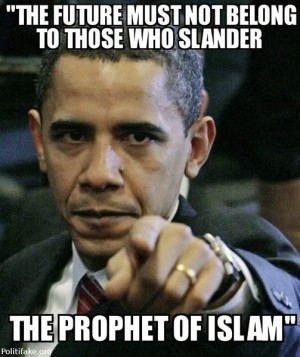 Barack Hussein Obama Declares a "JESUIT MASONIC ISLAMIC NEW WORLD ORDER" at UN September 25 2012?
GLENN BECK WARNING!
Its Official OBAMA PLANS TO MURDER THE CHRISTIANS! . Published on Apr 12, 2013 Because where terroists. Its because we wont go along with the NWO ! and because we believe in the constitution. Thats why he wants to kill us.
JUDGE NAPALITANO WARNING!
OBAMA IS KILLING AMERICANS!
Published on Feb 8, 2013 WHEN WILL U STAND UP ? WHEN HE KILLS U OR UR KIDS ?
 "NEW WORLD JESUIT MASONIC ISLAMIC ORDER"
Obama and The Jesuits?…Your not gonna believe this one March 17, 2013 Christian News, Islam,Obama is our Judgment,
The Catholic Church and the Pope Obama is not unmindful of the power and influence of Rome in the United States and other parts of the world.
He has to deal with the powerful Holy See. So he took steps to address their concerns as best he could, knowing that he was not in harmony with Rome on key social issues. During the recent presidential campaign a web blog was published on the website of the Jesuit magazine America. It listed the names of Obama’s unofficial Roman Catholic advisory team which is called a “Kitchen Cabinet.” The purpose of this particular advisory team would have been to help Obama navigate the special problems that arise because the Catholic Church is so very influential in American politics. Obviously many Roman Catholics are clearly more liberal than their church when it comes to abortion, gay marriage and other social issues. Obama needed advice, but more importantly he needed a solid group of respected Catholics to draw Catholic votes. It should be noted that he did not form a Baptist advisory committee or even and Evangelical advisory committee. They also wield a lot of power in U.S. politics, but not like Catholics. This fact tells us that Rome’s influence and power is obviously far more than the Baptists and Evangelicals, perhaps combined. The Catholic “Kitchen Cabinet” is a veritable who’s who list of respected American Catholics and Jesuits, or rather Jesuit trained people. They include Roman Catholic congressmen and women, educators at Jesuit universities, governors, senators, representatives and others who were chosen partly because of their close connections to Rome.
MORE>44

Obama to Military - Will you FIRE on Americans?
David Vose David Vose·175 videos Subscribe 35,666 Published on Oct 9, 2013 Military litmus test. Obama asking officers if they will shoot an American if the command was given. Some officers stepping down. Government buying enuff amo to kill half the population along with body bags. Obama shaking up the top ranks of the military command structure -- but is it also preparing to make war on the American population? According to a person identified as a former senior military official, the answer to that shocking question is yes. Human rights activist Jim Garrow says that the source, man regarded as "one of America's foremost military heroes," told him that President Obama is using a new litmus test for "determining who will stay and who must go" among top-ranked military leaders. That test is whether they will fire on US citizens or not. Garrow says that his source made the disclosure in order to "sound the alarm" over the administration's plans.
"OBAMA'S" NEW JESUIT MASONIC ISLAMIC MILITARY:
THE NEW "UNITED STATES OF JESUIT MASONIC ALLAH"!
THE NEW "JESUIT MASONIC ISLAMIC WORLD ORDER"!
 Barack Hussein Obama Declares a "JESUIT/ISLAMIC NEW WORLD ORDER" at UN September 25 2012?
America is Complicit in the Murder of Religious Minorities
Published on Feb 10, 2014
Christians and other religions are persecuted around the world and America plays a role. Our government, churches, media, universities and others stand by silently as innocents die. We are complicit in our silence in the face of evil.
(CHRISTIANS PERSECUTED ATTACKED & EXTERMINATED BY OBAMA!)
 Barack Hussein Obama Declares a "ISLAMIC NEW WORLD ORDER" at UN September 25 2012?
Shameful: Even Putin calls to end Christian persecution, as Obama is ‘silent’
| August 4, 2013 | Tom Tillison
To borrow from the musical group The Kinks, you know “it’s a mixed up, muddled up, shook up world” when Russian president Vladimir Putin becomes the leading voice for stopping the violent persecutions against Christians while the president of the United States stands silent.
Speaking at a meeting with Orthodox Christian leaders in Moscow last week, according to Life Site News, Putin said he noted “with alarm” that “in many of the world’s regions… inter-confessional tensions are mounting, and the rights of religious minorities are infringed, including Christians and Orthodox Christians.”
In emphasizing the Middle East and North Africa, Putin said:
“This pressing problem should be a subject of close attention for the entire international community. It is especially important today to make efforts to prevent intercultural and interreligious conflicts, which are fraught with the most serious upheavals.”
Christians in Syria have suffered greatly amid a deadly civil war there, as have Coptic Christians in Egypt while under Muslim Brotherhood rule. There has also been a rapid decline of Iraq’s Christian population since 2003. All of which has largely been ignored by the Obama administration.
Nina Shea, Director of the Center for Religious Freedom and a Hudson Institute Fellow, said during an appearance at CPAC in March that “religious persecution is the gravest human rights crisis of our day,” as reported by Breitbart News.
Shea noted then that the Obama administration has been “silent” on the issue of global Christian persecution, and she had little hope of improvement. ”I have every expectation this problem will become worse between now and the end of the Obama administration,” she said.
Rep. Frank Wolf, R-Va., a co-chairman of the House of Representatives’ Tom Lantos Human Rights Commission, has been critical of the U.S. government’s “anemic and at times outright baffling” response to the treatment of Christians in the Mideast, according to the National Catholic Register.
America has always been a friend to the oppressed, the persecuted, the forgotten. But, sadly, today, that allegiance is in question, as religious freedom and human-rights abuses around the globe increasingly go unaddressed and unanswered,” Wolf said last month.
Yes, we may have passed through the looking glass if Christians must look to Russia for protection. A mixed up, muddled up, shook up world, indeed.
NOVEMBER 2013: RUSSIA PLACES A 105 FT BRONZE STATUE OF"JESUS CHRIST" IN A SYRIAN WARZONE!
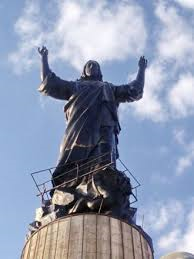
Russia Places Bronze Statue of
Jesus Christ in Syria
| Coordinates | 33.72801°N 36.37282°E |
|---|---|
| Location | Saidnaya, Syria |
| Designer | Artush Papoian |
| Type | Statue |
| Material | Bronze |
| Height | 32 metres (105 ft) |
| Completion date | 14 October 2013 |
FORMER KGB DEFECTOR YURI BEZMENOV - THE COUNTER TO SUBVERSON IS "JESUS CHRIST"
(PLEASE SEE VIDEO LECTURE BELOW > CONCLUSIONS AT 58 MIN MARK)
FORMER KGB DEFECTOR YURI BEZMENOV: "SOVIET SUBVERSION OF THE FREE WORLD PRESS" - 1984
 Print
Print 